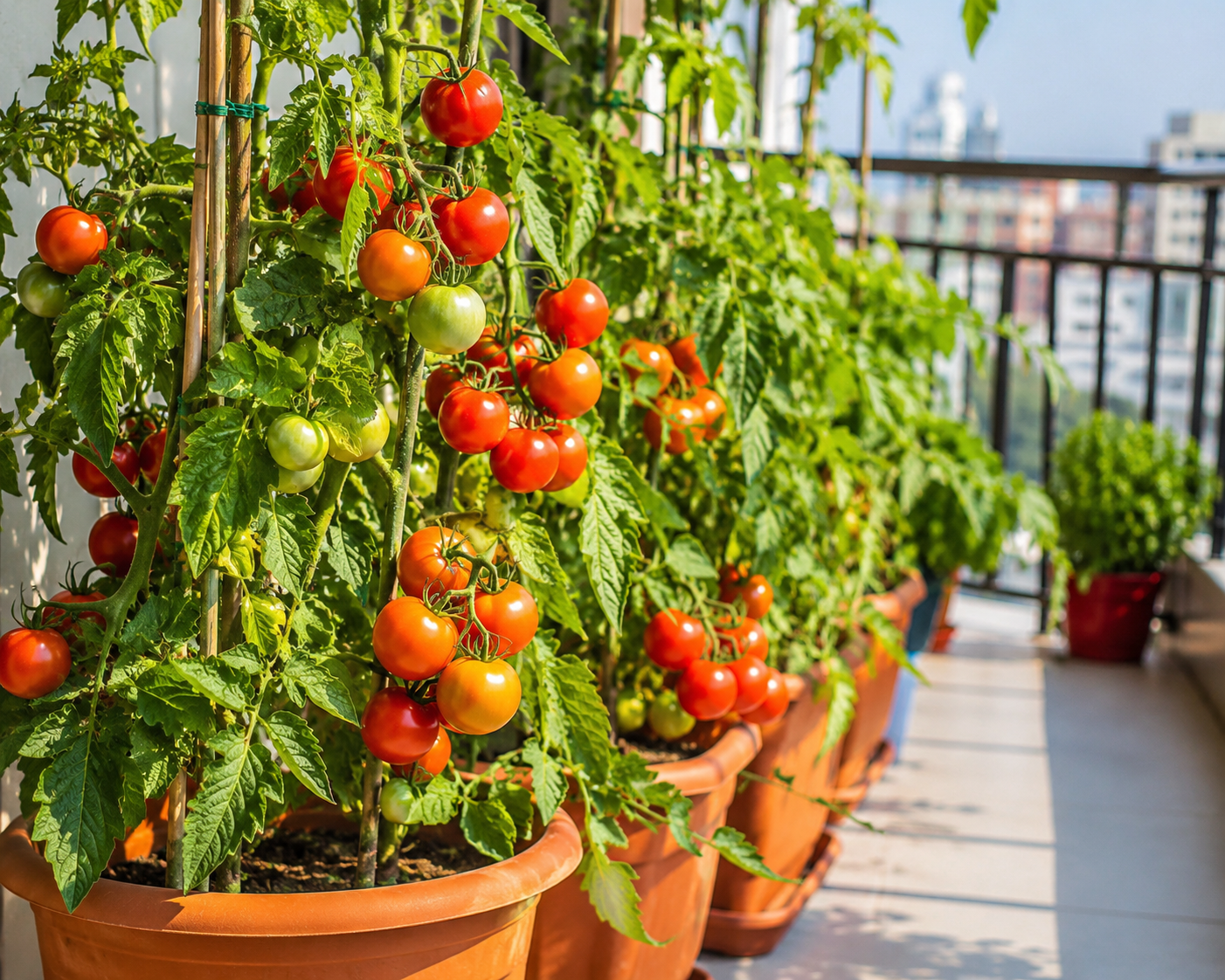
Growing tomatoes on your balcony is one of the easiest and most rewarding ways to enjoy fresh, homegrown vegetables. With the right container, quality potting mix, and proper care, you can harvest juicy, flavorful tomatoes even in a small space.
1. Choose the Right Tomato Variety
Select compact or dwarf varieties that perform well in containers. Cherry tomatoes and determinate (bush) tomatoes are ideal for balcony gardens because they require less space and produce abundant fruits.
2. Select a Large Container
Use a pot that is at least 12–18 inches deep with drainage holes. Larger containers help retain moisture and provide enough room for healthy root development.
3. Use High-Quality Potting Mix
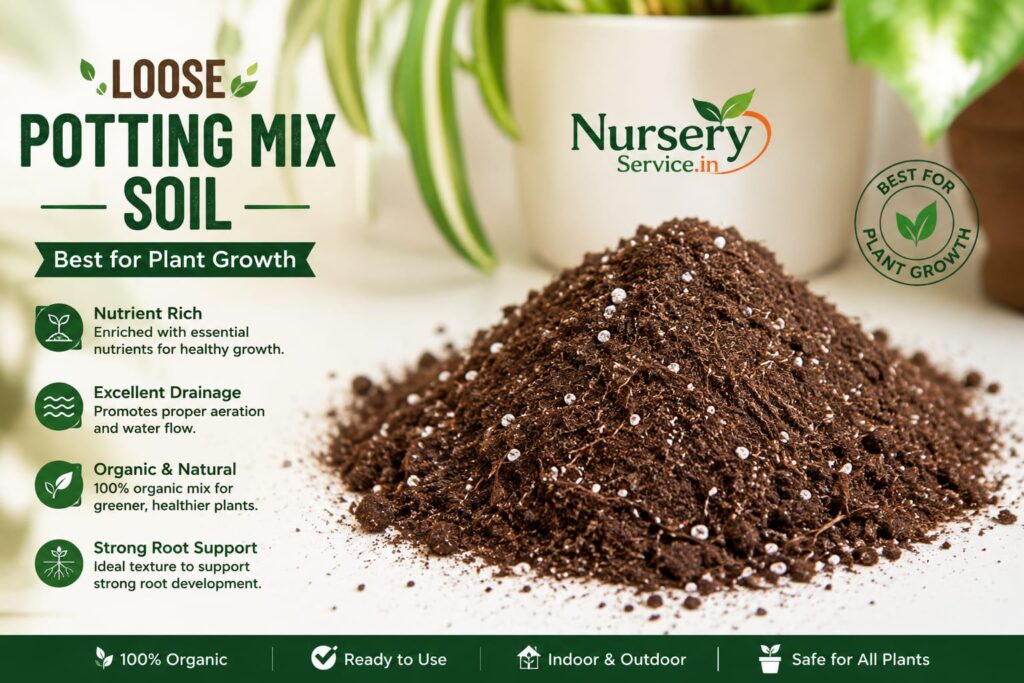
Fill the container with a nutrient-rich, well-draining potting mix. Avoid using regular garden soil, as it becomes compact in pots and restricts root growth.
4. Provide Plenty of Sunlight
Tomatoes need 6–8 hours of direct sunlight every day. Place your pots on a sunny balcony where plants receive maximum morning or afternoon sun.
5. Water Regularly
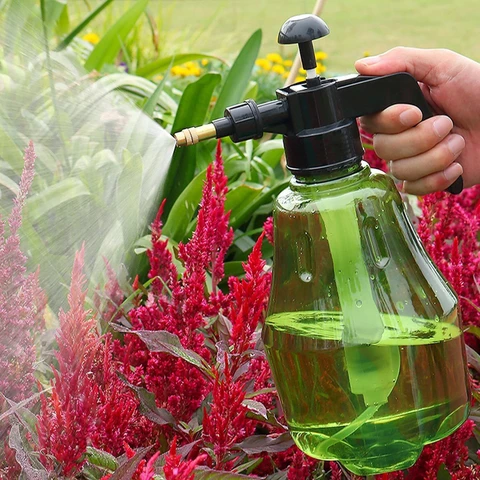
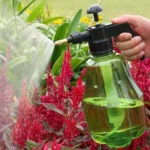
Keep the soil consistently moist but not waterlogged. Water deeply whenever the top inch of soil feels dry. During hot summer days, daily watering may be necessary.
6. Feed Your Plants
Apply organic compost or a balanced liquid fertilizer every 10–15 days. Once flowering begins, use a fertilizer higher in phosphorus and potassium to encourage fruit production.
7. Support the Plant
Install a stake, bamboo stick, or tomato cage early to support the growing plant and prevent stems from bending under the weight of fruits.
8. Prune and Remove Yellow Leaves
Remove damaged or yellow leaves regularly. Pinch off unnecessary side shoots on indeterminate varieties to improve airflow and encourage larger fruits.
9. Protect from Pests
Inspect plants frequently for aphids, whiteflies, and caterpillars. Use neem oil spray or organic insecticides if pests appear.
10. Harvest at the Right Time
Harvest tomatoes when they are fully colored, firm, and slightly soft to the touch. Regular harvesting encourages continuous fruit production.