Summer brings long sunny days that help plants grow, but extreme heat can also stress them. High temperatures, harsh sunlight, and rapid water loss can cause wilting, leaf burn, and poor growth. Whether you have a balcony garden, terrace garden, or a lush backyard, taking the right precautions will keep your plants healthy throughout the season.
Here are 10 effective ways to protect your plants from the summer heat.
1. Water Plants Early in the Morning
The best time to water plants is between 6 AM and 9 AM. During this time, the soil absorbs moisture efficiently before the sun becomes intense.
Benefits:
- Reduces water evaporation
- Keeps roots hydrated longer
- Prevents heat stress
Avoid: Watering during midday, as much of the water evaporates quickly.
2. Add Mulch Around Plants
Mulching helps retain moisture and keeps the soil cool.
Best mulch materials:
- Dry leaves
- Straw
- Coconut husk
- Wood chips
- Grass clippings
Apply a 2–3 inch layer around the base of plants while keeping it slightly away from the stem.
3. Provide Shade During Peak Sunlight
Protect delicate plants from direct afternoon sunlight by using:
- Green shade nets
- Garden umbrellas
- Bamboo screens
- Temporary cloth covers
Leafy vegetables, herbs, and flowering plants especially benefit from afternoon shade.
4. Water Deeply Instead of Frequently
Rather than watering lightly every day, give plants a deep soak so moisture reaches the root zone.
Deep watering:
- Encourages stronger roots
- Improves drought resistance
- Keeps soil moist for longer
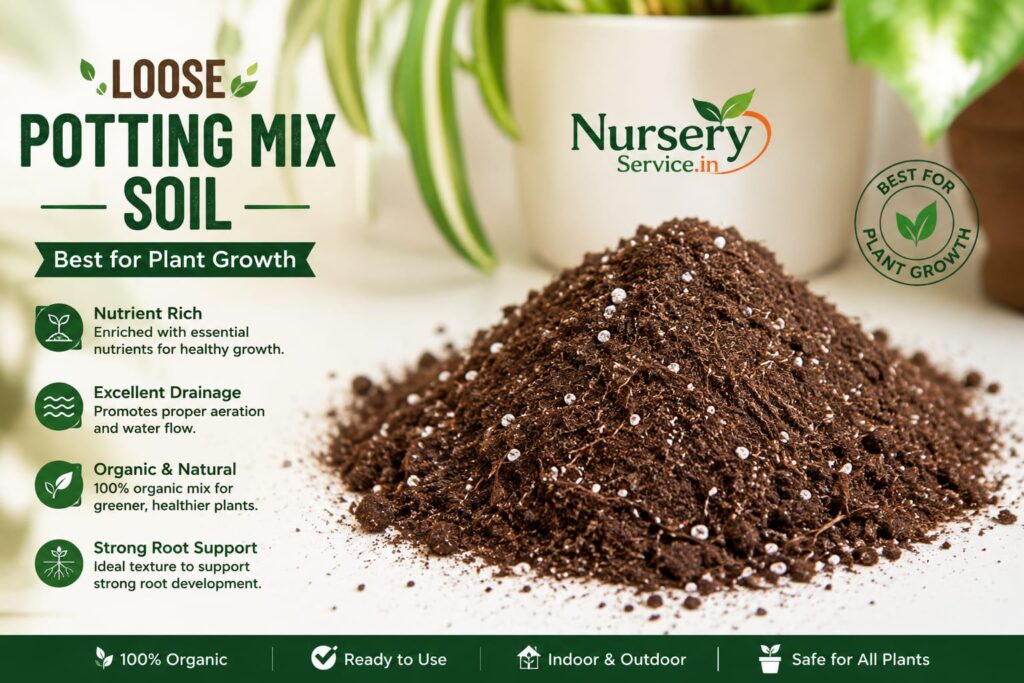
5. Use Quality Compost
Healthy soil retains moisture better.
Adding organic compost improves:
- Water retention
- Soil fertility
- Root development
- Plant resilience during heat
Compost also reduces the need for frequent watering.
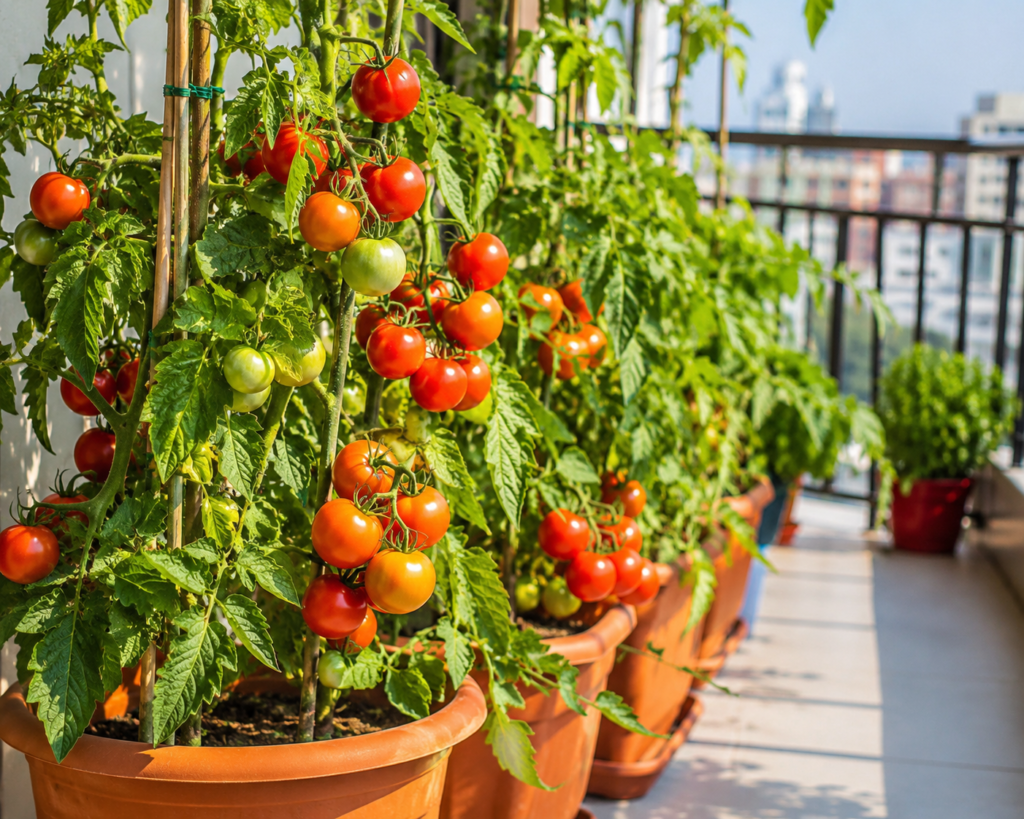
6. Move Potted Plants to Cooler Locations
Container plants heat up much faster than garden soil.
Move pots to:
- East-facing balconies
- Areas with filtered sunlight
- Under trees
- Covered patios
Grouping pots together also helps maintain humidity.
7. Avoid Heavy Fertilizing in Extreme Heat
Excess fertilizer during hot weather can stress plants and burn roots.
Instead:
- Use organic compost
- Apply diluted liquid fertilizers
- Fertilize during cooler evening or early morning hours
8. Increase Humidity Naturally
Many indoor and tropical plants enjoy higher humidity.
Try:
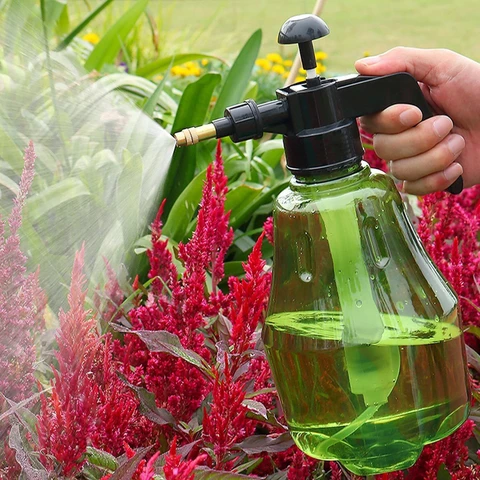
- Misting plants in the morning
- Placing trays filled with water and pebbles nearby
- Grouping plants together
Avoid misting during the hottest hours of the day.
9. Remove Dead Leaves and Flowers
Pruning damaged leaves helps plants conserve energy.
Regular maintenance:
- Improves airflow
- Reduces disease risk
- Encourages fresh growth
- Makes watering more effective
10. Choose Heat-Tolerant Plants
Some plants naturally thrive in hot weather.
Popular summer-friendly plants include:
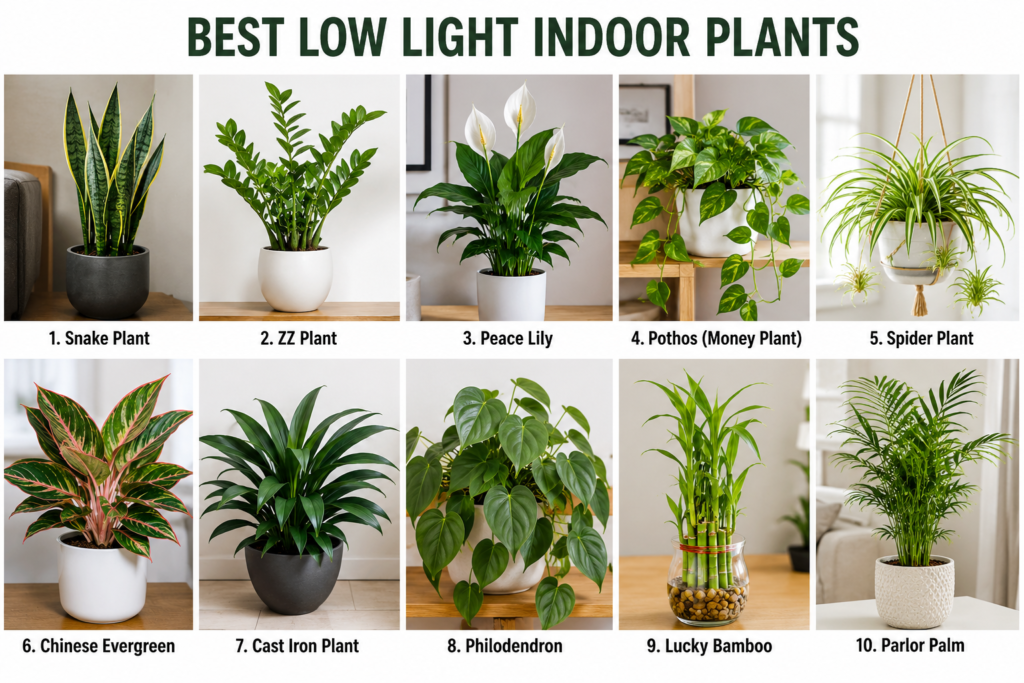
- Aloe Vera
- Snake Plant
- Bougainvillea
- Hibiscus
- Portulaca
- Lemongrass
- Curry Leaf Plant
- Agave
- Tulsi (Holy Basil)
These plants require less maintenance and perform well even during high temperatures.
Bonus Summer Plant Care Tips
- Water newly planted saplings more frequently.
- Avoid repotting during peak summer.
- Check soil moisture before watering.
- Use larger pots to reduce soil heating.
- Keep indoor plants away from hot windows.
Common Summer Mistakes to Avoid
- Watering in direct afternoon sunlight.
- Overwatering, which can lead to root rot.
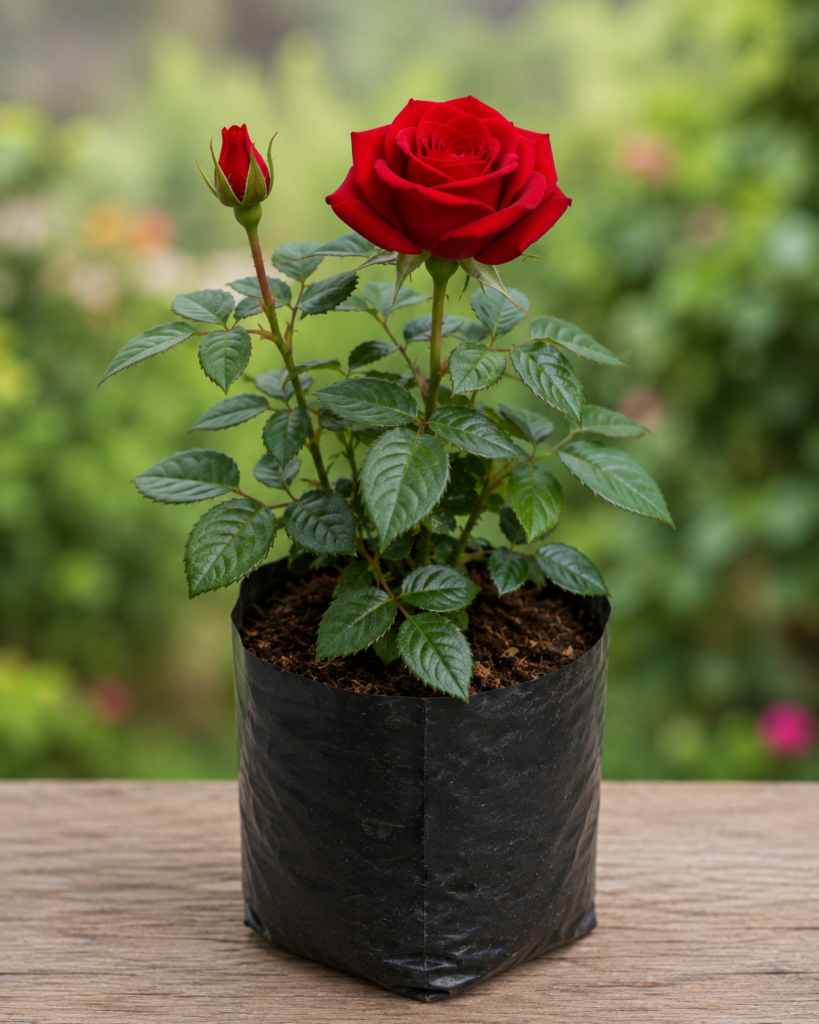
- Leaving black plastic pots in full sun.
- Applying strong chemical fertilizers during heat waves.
- Ignoring signs of wilting or sunburn.