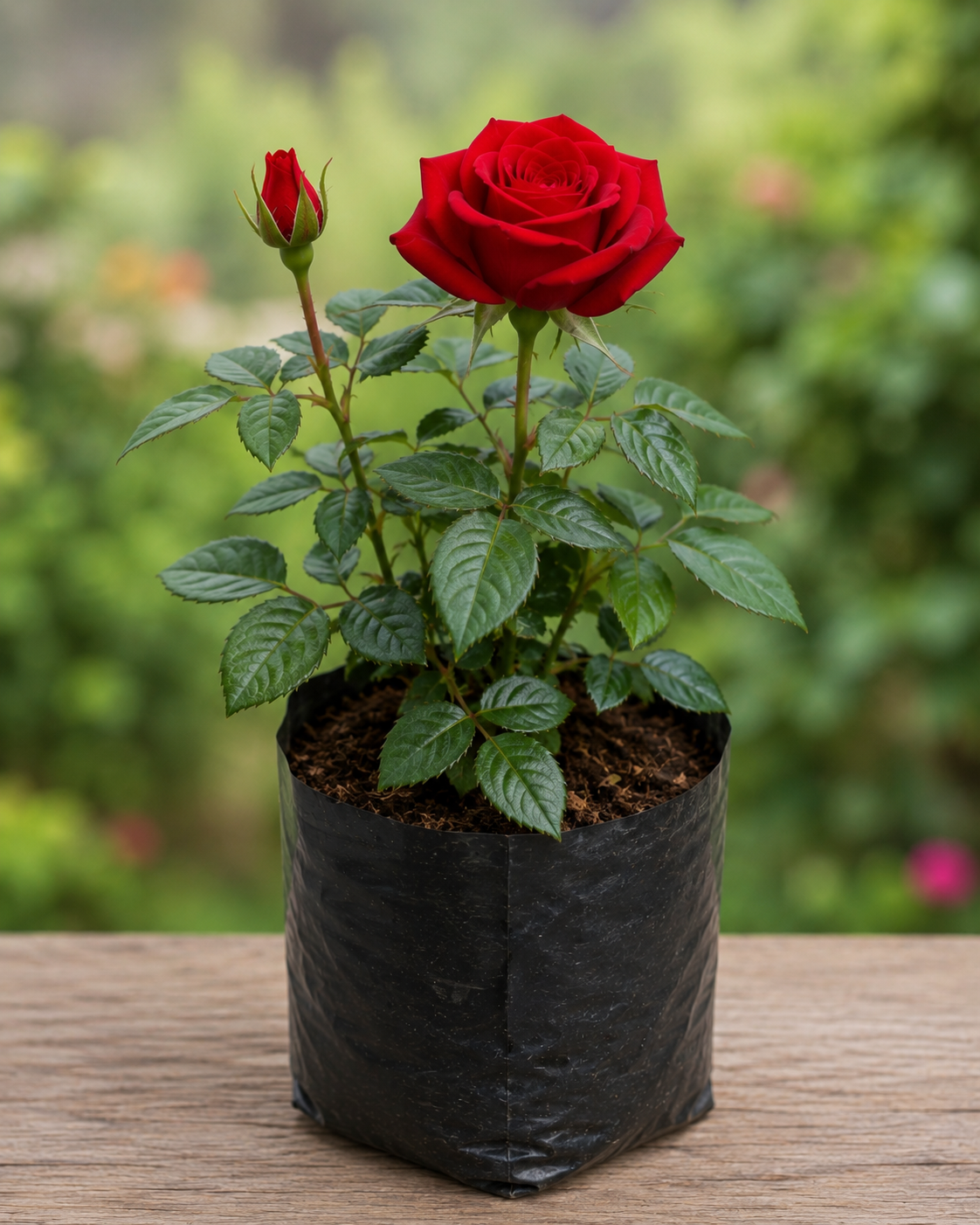
How to do Home Gardening for Beginners
Growing your own plants is one of the most rewarding hobbies. Whether you live in an apartment, an independent house, or have a terrace, home gardening helps you create a greener, healthier, and more beautiful living space. It also provides fresh herbs, vegetables, flowers, and cleaner air.
If you’re new to gardening, this guide will help you start with confidence.
Why Start a Home Garden?
Home gardening offers many benefits:
– Fresh and chemical-free vegetables and herbs
– Cleaner indoor and outdoor air
– Reduced stress and improved mental well-being
– Beautiful balconies, terraces, and gardens
– A fun activity for the whole family
– Increased biodiversity by attracting butterflies and birds
Step 1: Choose the Right Location
Plants need sunlight to grow.
– Leafy vegetables: 3–4 hours of sunlight
– Herbs: 4–6 hours
– Flowering plants: 6–8 hours
– Fruit plants: 6–8 hours
Observe your balcony, terrace, or garden for a few days to identify the sunniest location.
Step 2: Select Easy Plants for Beginners
Vegetables
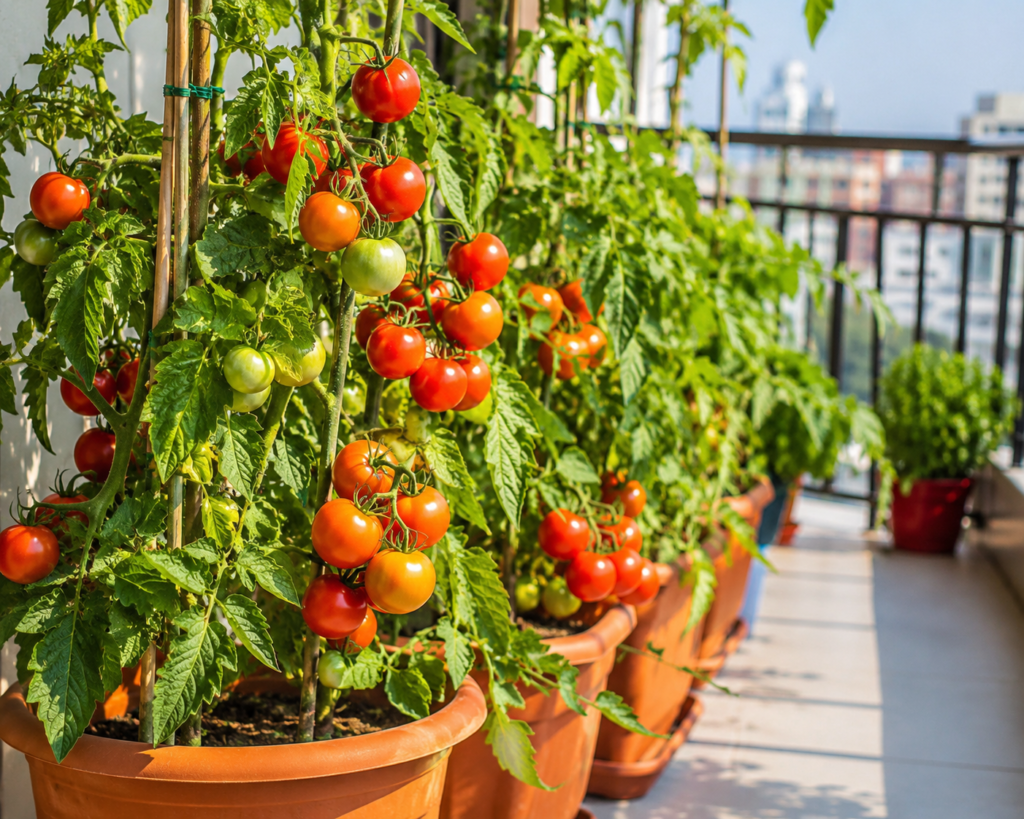
– Tomato
– Chilli
– Brinjal
– Spinach
– Coriander
– Fenugreek
– Okra
Herbs
– Mint
– Tulsi (Holy Basil)
– Curry Leaf
– Lemongrass
– Ajwain
Flowering Plants
– Marigold
– Rose
– Hibiscus
– Petunia
– Jasmine
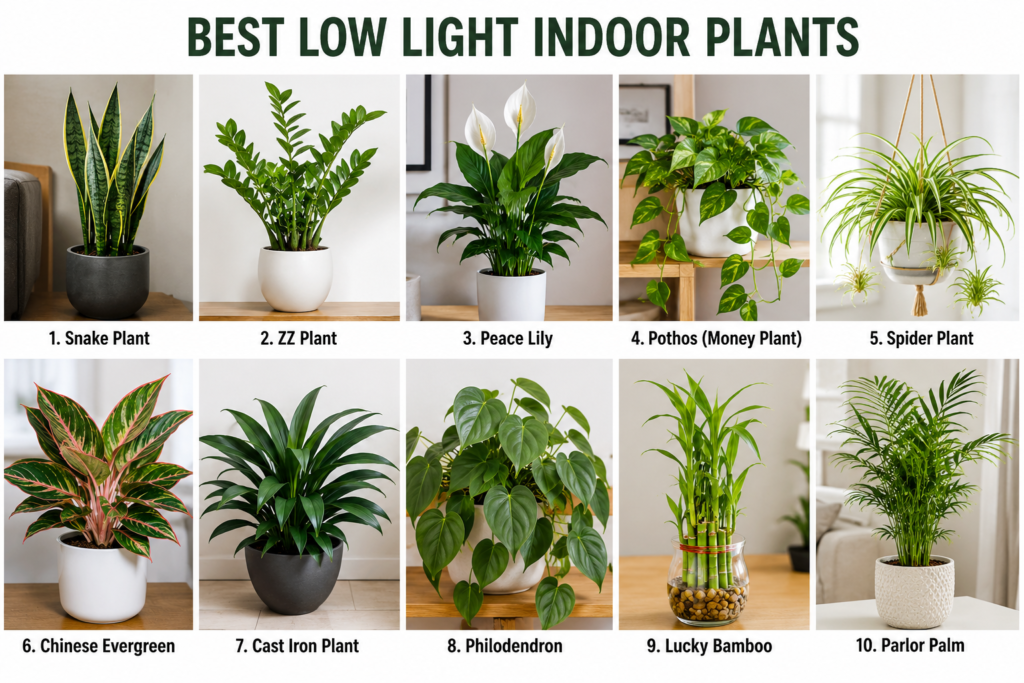
Indoor Plants
– Snake Plant
– Money Plant
– Peace Lily
– ZZ Plant
– Spider Plant
Step 3: Choose Suitable Pots
Good drainage is essential.
Suitable containers include:
– Plastic pots
– HDPE nursery bags
– Grow bags
– Terracotta pots
– Ceramic planters
Always ensure drainage holes are present.
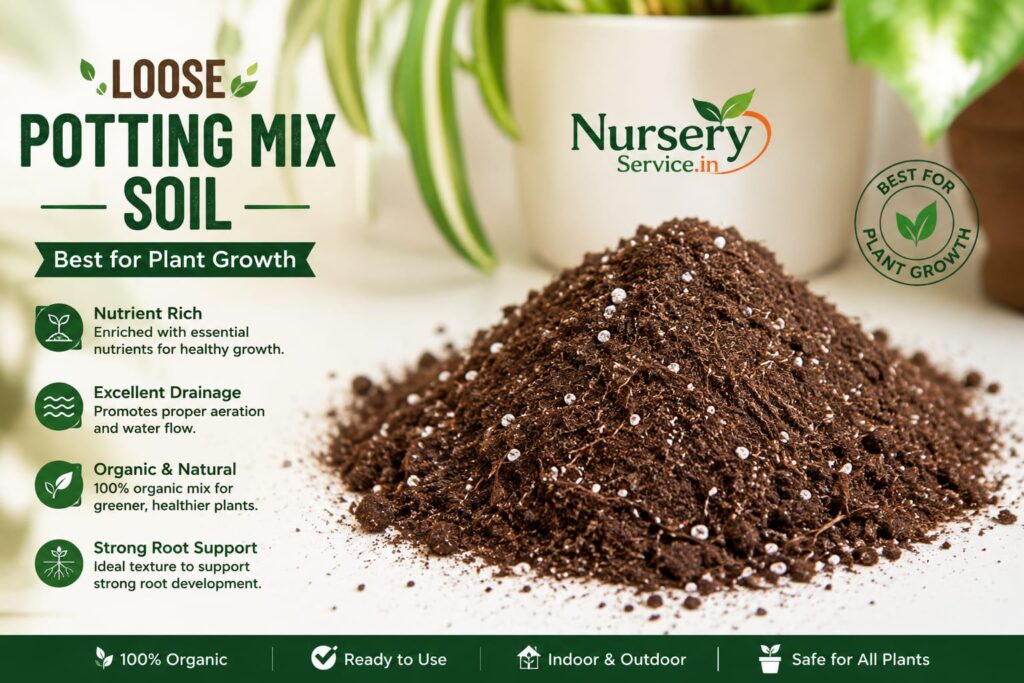
Step 4: Prepare a Good Potting Mix
Healthy roots begin with healthy soil.
An ideal potting mix contains:
– Garden soil
– Cocopeat
– Vermicompost or organic compost
– Sand or perlite for drainage
A light, nutrient-rich, and well-drained mix promotes vigorous plant growth.
Step 5: Water Correctly
Avoid overwatering.
General guidelines:
– Water early morning or evening.
– Check the top inch of soil before watering.
– Water deeply instead of lightly every day.
– Ensure excess water drains out.
Step 6: Feed Your Plants
Plants require nutrients for healthy growth.
Use organic fertilizers such as:
– Vermicompost
– Compost
– Neem cake
– Mustard cake
– Seaweed extract
– Liquid organic fertilizer
Feed plants every 15–20 days during active growth.
Step 7: Prevent Pests Naturally
Common pests include:
– Aphids
– Mealybugs
– Whiteflies
– Spider mites
Natural control methods:
– Neem oil spray
– Soap solution
– Remove infected leaves
– Improve air circulation
Early detection prevents major damage.
Step 8: Seasonal Gardening Tips
Summer
– Water more frequently.
– Use mulch.
– Protect plants from harsh afternoon sunlight.
Monsoon
– Avoid waterlogging.
– Improve drainage.
– Watch for fungal diseases.
Winter
– Reuce watering.
– Provide maximum sunlight.
– Protect sensitive plants from frost in colder regions.
Common Mistakes Beginners Make
– Overwatering
– Using poor-quality soil
– Choosing the wrong plants
– Ignoring sunlight requirements
– Over-fertilizing
– Not checking for pests
Avoiding these mistakes helps plants thrive.
Essential Gardening Tools
Keep these basic tools handy:
– Hand trowel
– Pruning secateur
– Watering can
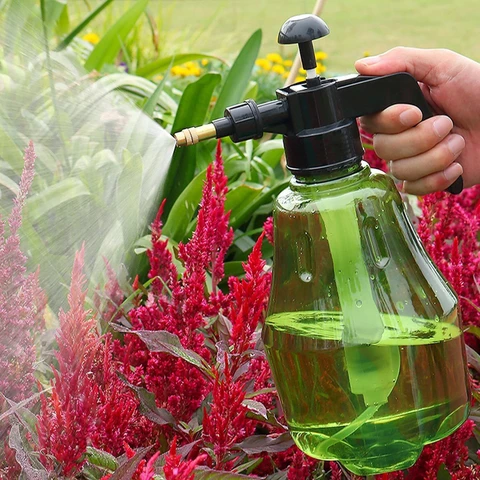
– Spray bottle
– Gardening gloves
– Hand fork
Monthly Plant Care Checklist
– Check soil moisture.
– Remove weeds.
– Prune dead leaves and flowers.
– Add compost.
– Inspect plants for pests.
– Clean pots and trays.
– Rotate indoor plants for even growth.
Frequently Asked Questions
Which plants are easiest for beginners?
Money Plant, Tulsi, Mint, Tomato, Chilli, Snake Plant, and Marigold.
How often should I water plants?
Only when the top layer of soil feels dry.
Which fertilizer is best?
Organic compost and vermicompost are excellent choices for most plants.
Can I grow vegetables on a balcony?
Yes. Tomatoes, chillies, spinach, coriander, fenugreek, and herbs grow well in containers.
How much sunlight do plants need?
Most vegetables and flowering plants need at least 6 hours of sunlight daily.